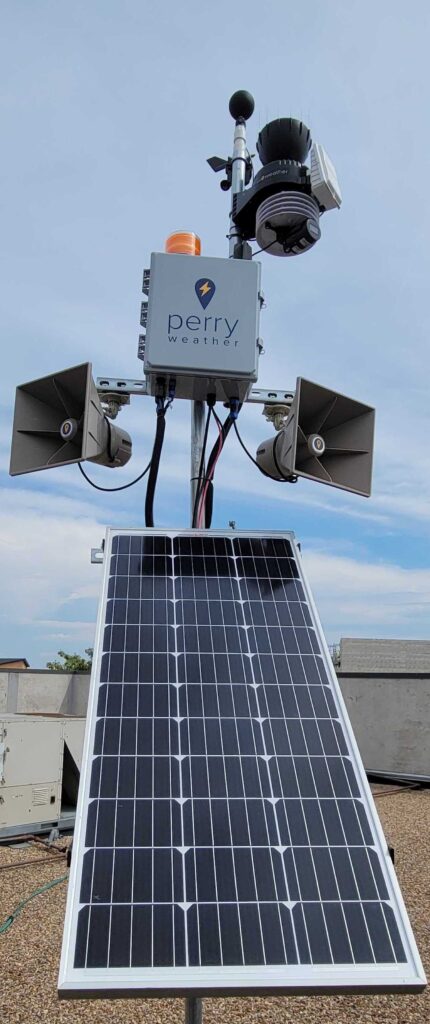
Why a single “feels like” number can mislead
Runners, cyclists and family hikers often check temperature before leaving, but direct sun, humidity, wind and terrain change the experience. The US National Weather Service (NWS) explains that heat index describes conditions in shade, while wet-bulb globe temperature (WBGT) incorporates sunlight, wind and additional factors relevant to outdoor exertion. An AI assistant can organize these inputs, but it cannot replace local official warnings or on-site judgment.
A practical AI-assisted pre-trip workflow
- Start with the official forecast. Record location, route elevation, expected start and finish times, temperature, humidity, official heat alerts and available WBGT guidance. Save source links and the time checked.
- Describe the activity. Include whether the route is exposed or shaded, likely exertion, accessible water and shade, and whether children are participating. Avoid uploading identifiable health or location histories to an unfamiliar service.
- Ask AI for a source-linked comparison, not a safety verdict. Have it separate confirmed official observations from estimates, list missing inputs and flag assumptions. For example: “Compare the official hourly forecast and WBGT guidance for my route. Cite each source, identify unknowns and suggest questions I should verify. Do not invent local thresholds.”
- Verify manually. Open the official NWS or local meteorological service page yourself. Check that times, units, station locations and alert boundaries match your route. A forecast for a nearby city may not describe an exposed ridge or remote trail.
- Make a conservative human decision. Reschedule or shorten strenuous activities when conditions warrant; identify cooling stops and a turnaround point. Follow official instructions and activity-specific guidance. AI-generated risk labels are not medical assessments.
Example of a useful output table
Ask the assistant for columns labeled: time window, official source and timestamp, heat index, WBGT (if available), shade/exposure, uncertainty, action to verify, and person responsible. Leave missing values blank instead of filling them with guesses. For family outings, include child-specific rest and turnaround considerations without inventing universal safe limits.
What AI gets wrong
Language models may confuse heat index with WBGT, quote outdated forecasts, infer precise conditions from distant weather stations, or produce confident exercise thresholds without context. They cannot sense your actual exertion, shade or hydration. Never rely on a chatbot to diagnose heat illness or decide whether urgent medical care is necessary.
Related 4DEERS guides
For a broader weather workflow, see AI outdoor sports weather decisions. For family trips, use the family day-hike weather checklist. To verify AI suggestions, read five questions to fact-check AI training advice.
Sources
- National Weather Service: WBGT versus heat index
- National Weather Service: WBGT preparedness and outdoor activity
- National Weather Service: Heat safety
Editorial note: This is an informational planning workflow, not medical advice. Always use current official local alerts and exercise appropriate judgment.